Roofing
Choose roofing details as a complete assembly
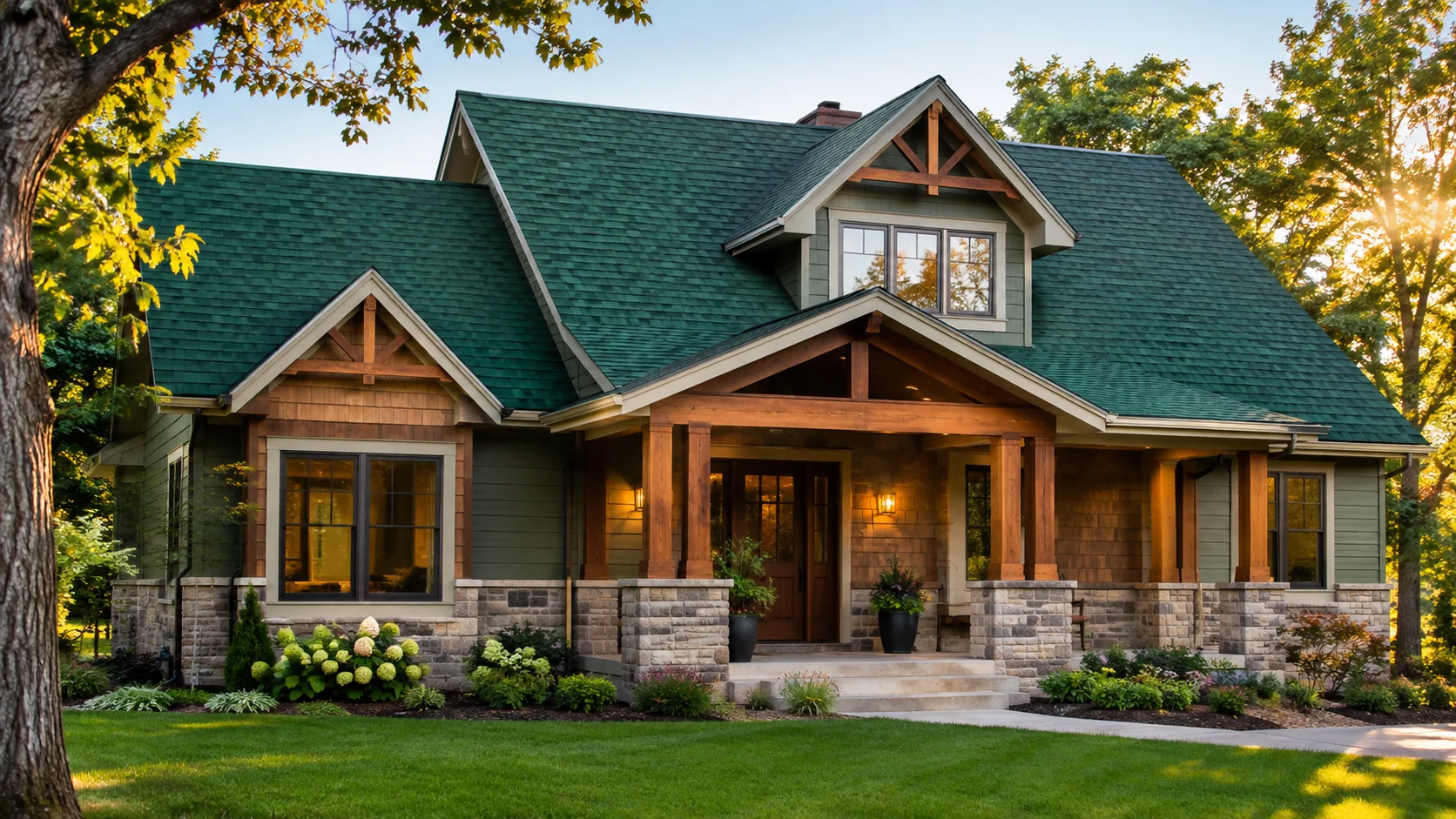
The quality of roofing depends on what happens where materials meet. Consider visible roof finishes and their junctions with particular attention to texture, flashing profiles and the appearance of penetrations. Resolve the details that are hardest to change once products have been selected.
PROPORTION. MATERIAL. DETAIL.
A considered interior, from the first decision.
Use visible roof finishes and their junctions to build a small set of options rather than a collection of unrelated samples. View the combinations under the lighting or exposure they will have in use. Look closely at thickness, visible fixings and transitions. Write down which combination is preferred and which underlying condition could make it unsuitable.
THE MATERIAL PALETTE
Materials
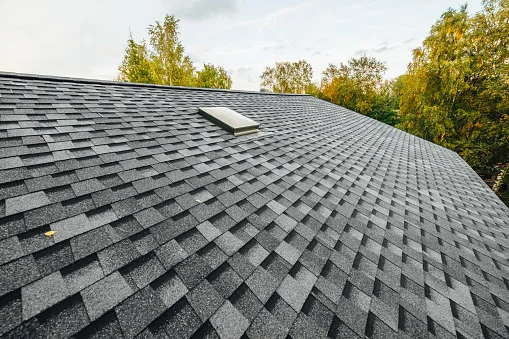
Compare colour and profile outdoors against the cladding and trim. Use a full-size sample or detail sketch to make this decision tangible. Smaller swatches can hide the effect of a visible edge or the difference between adjacent materials. Review the example under the conditions in which the finished work will normally be seen and record what should be carried through.
Flashings
Review how visible metalwork will meet masonry and adjoining walls. Decide whether the meeting line should be quiet or deliberately visible. A clean detail relies on coordinating the underlying layers as well as the face of the finish. Ask who will confirm the dimensions and installation order before a material choice limits what can be done at the junction.
Terminations
Consider how edges, ridges and vents will look as part of a single roof. Review which parts of this detail will receive the most wear or attention. Check that the intended finish can be cleaned and maintained in those locations. Agree how to evaluate the completed work, especially where texture, daylight or normal material variations affect how the finished surface will appear.
Resolve the details behind the finish
Bring elevation photos and a shortlist of visible finish choices.
Decide which details should be drawn or sampled before materials are ordered.
Set aside time to review a representative junction and agree what is expected where different trades meet. Use the accepted sample as a reference during the work, while allowing for natural variation where it is inherent in the material. Note how the sample should be viewed and what variation is acceptable.
YOUR NEXT STEP
Discuss the finish in context
Bring the material references and one or two details that need particular care in the roofing work. Look at the samples in relation to their surroundings and establish which junctions should be resolved before committing to an order.